Why Shizuoka is a World-Class Hub for Matcha Production

Updated: Jun 30
When it comes to premium-grade matcha, one name instantly resonates with industry experts: Shizuoka.
Nestled at the foot of Mount Fuji, this region produces over 40% of Japan’s total tea output and has long been globally recognized as a premier source of high-quality matcha. However, what sets Shizuoka apart isn’t just its massive volume—it is the perfect synergy of geography, centuries-old tradition, and rigorous manufacturing standards.
Geography: Nature’s Perfect Blueprint for Tea
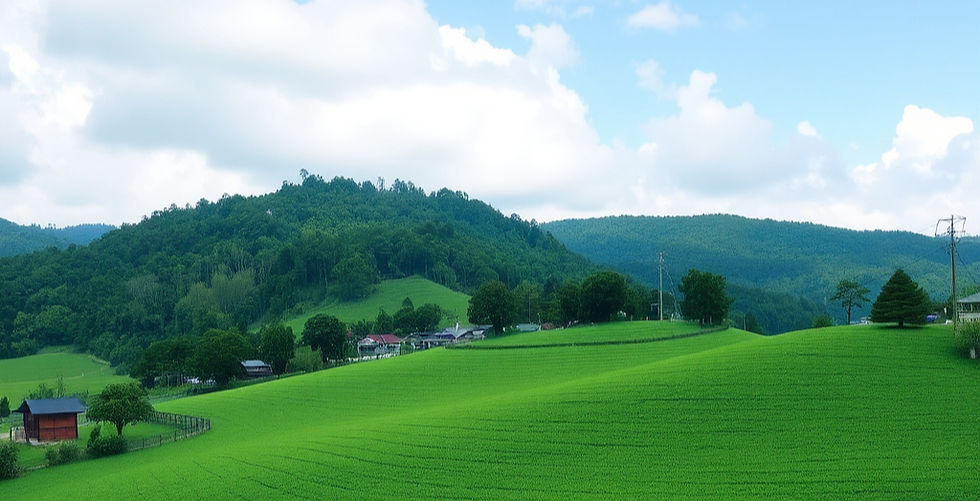
Shizuoka is uniquely positioned along the mountainous terrain stretching between the Southern Alps and the Pacific coast. This distinctive topography creates optimal microclimates that are perfectly suited for cultivating exceptional tea leaves:
Optimal Slopes and Excellent Drainage: Most of Shizuoka’s tea fields are planted on hillsides with just the right slope. This allows water to drain naturally away from the roots, promoting robust plant growth and eliminating the risk of root rot.
Morning Mists and Temperature Swings: The sharp temperature contrast between day and night in the highlands, combined with river mists and coastal moisture, slows down the growth of the tea leaves. This slower maturation allows the plants to lock in higher concentrations of vital compounds—specifically L-theanine and chlorophyll, which give the matcha its signature vibrant green color and rich taste.
Nutrient-Rich Volcanic Soil: The soil surrounding Mount Fuji is packed with rich volcanic minerals. This provides a fertile foundation that allows high-quality tea to thrive naturally, reducing the need for heavy chemical fertilizers.
A Centuries-Old Legacy of Master Craftsmanship
Shizuoka's tea-growing history spans over 800 years, dating back to the Kamakura period (12th-13th century) when Buddhist monks first brought tea seeds to the region. This accumulated knowledge has been passed down through generations, forming the backbone of a highly sophisticated industry.
What truly sets Japanese tea culture apart is the meticulous precision applied to every single step of production:
The Art of Shade-Growing: Growers in Shizuoka are masters of shade-growing (covering the tea bushes before harvest). This crucial step forces the plants to pump more chlorophyll and L-theanine into the leaves, directly enhancing the vivid green hue and deep umami flavor of the final matcha.
Steam-Fixing Process: Unlike Chinese green teas, which are typically pan-fired, Japanese tea leaves undergo an immediate steaming process after harvest. This steam-fixing technique locks in the natural green color and prevents oxidation, preserving the tea's fresh, vibrant profile.
Uncompromising Production Standards for Global Manufacturers
For food and beverage manufacturers, selecting a raw material supplier goes beyond sensory appeal—it requires verifiable safety standards. Japan’s tea industry operates under some of the strictest regulatory frameworks in the world, giving global buyers total peace of mind:
Non-GMO
All Japanese tea is naturally produced from non-genetically modified crops. This serves as a foundational standard that complies with global import regulations and satisfies today's clean-label consumer trends.
Strict Pesticide Residue Control
The Japanese Ministry of Health, Labour and Welfare (MHLW) enforces highly detailed Maximum Residue Limits (MRLs) covering hundreds of agricultural chemicals. These standards are among the strictest globally, which is why importers in Europe and North America heavily trust Japanese-sourced ingredients.
Advanced Sterilization
Standardized sterilization processes ensure that the raw matcha powder is microbiologically safe from the source. This drastically minimizes contamination risks during your final production phase and simplifies food safety audits.
Heavy Metal Control
Japanese standards strictly monitor and limit heavy metals, such as arsenic and lead. Meeting these stringent requirements is crucial for hassle-free customs clearance in international markets, including Thailand and the broader ASEAN region.
Our Products
We source Kakegawa Matcha A and Kakegawa Matcha C directly from Kakegawa City in Shizuoka Prefecture, Japan. Every batch is accompanied by a comprehensive Specification Sheet that explicitly details its origin, production standards, and lab test results.
Our products are tailor-made for brands and manufacturers requiring bulletproof traceability—whether you need to clear rigorous audits from international buyers, apply for local certifications, or confidently market the premium value of your ingredients to the end consumer.
Need more information or want to request technical documentation?
Contact our team today to get started!


