Soil Health: "Maximizing Fertilizers, But the Soil is Hard and Roots Won't Grow?" The Damage Caused by Chemicals and How to Restore It with Neem

Updated: Jun 30
Soil that looks healthy on the surface can be severely degraded at the microbial level—and that is something chemical fertilizers cannot fix.
Many commercial growers report applying more chemical fertilizers every single year, yet their yields continue to decline. The problem doesn't lie in the quantity of the fertilizer; it lies in the soil, which has lost its biological capacity to absorb and transfer nutrients to the crop.
Signs Your Field's Soil is Degrading
Soil degradation does not happen overnight. It accumulates gradually through years of continuous synthetic chemical applications until these critical symptoms finally surface:
Yearly Yield Decline: Even when applying the same or higher amounts of fertilizer, crops grow slower and produce less fruit.
Shallow Root Systems / Lodging: The soil becomes so compacted that roots cannot penetrate it. Crops suffer from water and nutrient deficiencies from the lower soil layers, making them prone to falling over.
Poor Water Retention: The soil structure collapses entirely, leading to erratic cycles of waterlogging and extreme dryness.
Increased Pest Outbreaks: Crops weakened by degraded soil lose their natural resistance, making them highly vulnerable to insect attacks and diseases.
The Root Cause: Chemicals Destroy the Soil Microbiome
Soil microbes are the natural engine that breaks down and transfers essential nutrients to plant roots. Continuous use of synthetic chemicals eradicates these vital microorganisms. Once the microbiome is destroyed, the soil turns into a lifeless anchoring material rather than a living ecosystem.
Why Chemical Fertilizers Alone Cannot Fix It
Chemical fertilizers provide direct nutrients but do absolutely nothing to restore soil structure or lost microbial life. It is like giving dietary supplements to someone with a ruined digestive system—the nutrients are introduced, but the body cannot absorb or utilize them. What your soil truly needs is organic matter to revive beneficial microbes, loosen compaction, and rebuild the soil food web from scratch.
Dry Neem Powder: How It Restores Your Soil
Our premium-grade dry neem powder is a 100% natural Neem powder processed using modern manufacturing techniques. When applied to the soil, it delivers multi-dimensional benefits to commercial operations:
Controls Soil-Borne Pests: Mixing Neem powder into the soil effectively disrupts the life cycles of subterranean pests like armyworms and root-cutting maggots, preventing root damage before it impacts the upper plant.
Enriches Organic Matter: As the Neem particles naturally decompose, they add premium organic matter back to the field. This improves soil aeration, loosens compaction, boosts water retention, and creates an ideal habitat for beneficial microbes.
Safe for Living Soil Ecosystems: Being a 100% plant-based botanical, it does not harm earthworms or beneficial microorganisms—unlike harsh chemical treatments that kill indiscriminately.
Fully Aligned with GAP Standards: Incorporating natural Neem powder supports Good Agricultural Practices (GAP) and reduces chemical dependency, fulfilling a strict requirement for global export-grade crops.
Premium Dry Neem Powder — Product Specifications
Manufacturer data for agricultural distribution and bulk procurement:
Feature | Specification |
Form | Dry Powder |
Ingredients | 100% Natural Neem (No synthetic additives) |
Packaging Size | 1 Kilogram |
Standards | GAP Compliant |
Synthetic Additives | 0% |
Application and Dosage Guidelines by Crop Type
Crop Category | Water Dilution Rate (Per 1 kg) | Application Frequency |
Vegetables / Annual Crops | 40–60 Liters | Every 5–7 Days |
Flowers / Evergreen Plants | 60–80 Liters | Every 7–10 Days |
Shrubs / Perennials | 80–100 Liters | Every 7–10 Days |
Fruit Trees / Rice Paddy Fields | 100–200 Liters | Every 7–10 Days |
💡 Pro-Tip for Maximum Extraction:
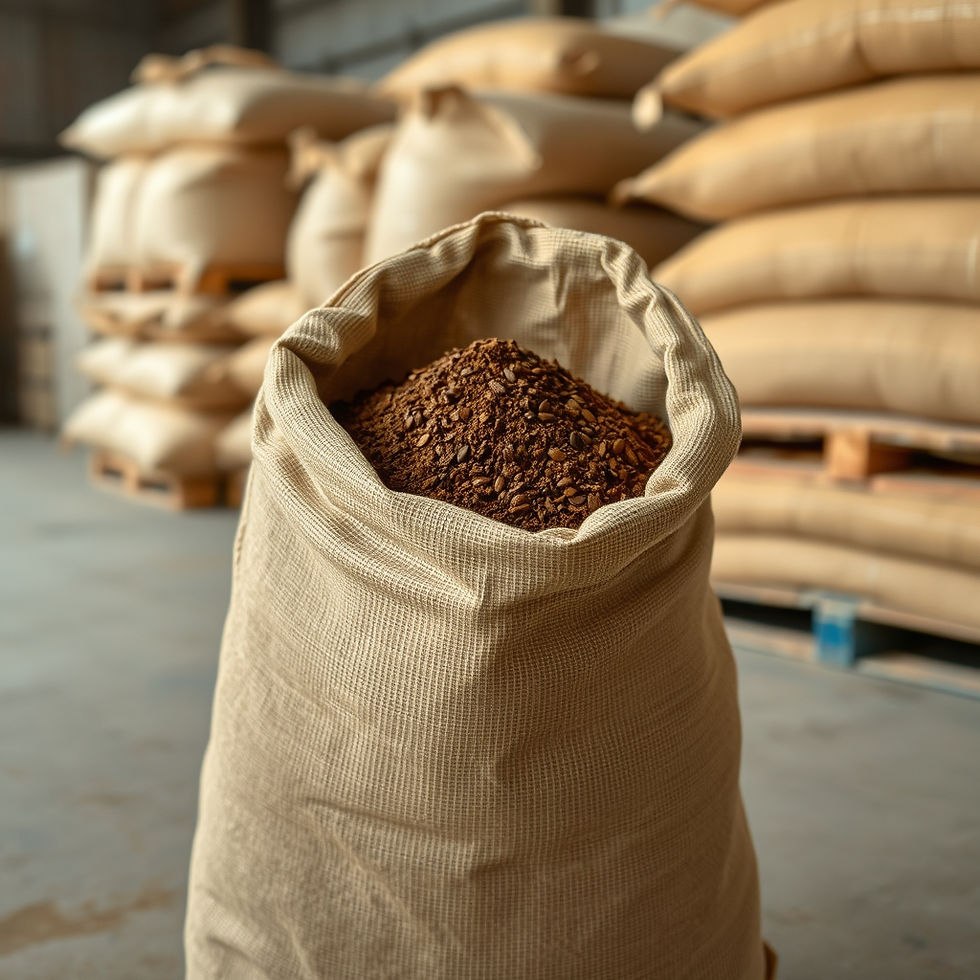
Place 1 kg of Neem powder into a cloth filter bag. Submerge and boil it in 20 liters of water, then let it steep for 8 to 24 hours before diluting it to the required crop rate. This soaking method ensures the active biological compounds in the Neem are fully extracted into the solution.
Targeted Pests Controlled by Neem
Neem acts against over 600 species of agricultural pests. It provides robust control against the most common destructive insects found in commercial farming, including:
Diamondback moths, Leafminers, Armyworms, Flower/Leaf-cutting caterpillars, Aphids, Spider mites, and Whiteflies.
Crucially, it achieves this without harming crucial beneficial insects, such as bees, natural predators, and parasitic wasps.
Interested in Bulk Sourcing for Your B2B Business?
We provide full technical product specifications, COA documents, and volume-based pricing for international importers and agricultural distributors.


